









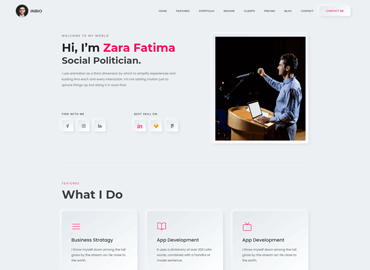




What Is Personal Branding?
Why Personal Branding Matters in Today’s Digital Age
Building a Powerful Personal Brand: Key Strategies
1. Define Your Unique Value Proposition
Determine your unique qualities. What abilities, backgrounds, or viewpoints do you contribute? Make your niche and the issues you can help your target audience with clear. Your personal brand is built on this clarity.
2. Create a Brand Identity
Create a unified linguistic and visual identity. This includes choosing professional photos, designing a logo or personal brand logo, and creating a consistent tone of voice. Your value proposition and personality should be reflected in your messaging.
3. Make the Most of Your Internet Presence
Your brand’s storefront is your digital presence. Make sure your social media profiles, personal website, and LinkedIn profile are all polished, businesslike, and consistent with your brand. Share insightful content that highlights your area of expertise on a regular basis.
4. Produce Superior Content
In terms of personal branding, content is king. Using blogs, films, podcasts, or social media posts, provide knowledge, advice, anecdotes, and case studies. Building engagement and trust requires being genuine and consistent.
5. Use Strategic Networking
Attend webinars, take part in online groups, network with business executives, and work together on projects. Developing sincere connections increases your reputation and reach.
6. Display Your Proficiency
Look for interviews that establish you as a thought leader, guest blogging possibilities, or speaking engagements. Your authority is increased when you openly share your knowledge.
The Role of Social Media in Personal Branding
Social media sites like Instagram, Twitter, and LinkedIn are excellent resources for personal branding. Select the platforms that best suit your objectives, as each one serves distinct audiences and content formats.
LinkedIn: Perfect for business-to-business networking and professionals. Distribute thought leadership pieces, accomplishments, and industry insights.
Twitter: Excellent for sharing brief insights, participating in discussions, and interacting in real time.
Instagram: Instagram is a visual and video-focused platform that is ideal for creative branding, behind-the-scenes footage, and personal narratives.
Authentic conversations, captivating narratives, and regular engagement all contribute to growing your following and reaching a wider audience.
Overcoming Challenges in Personal Branding
Imposter Syndrome: Your efforts may be hampered by doubting your knowledge. Prioritize sharing insightful knowledge and lifelong learning.
Consistency: It takes self-control to continue producing content on a regular basis. Planning and scheduling content in batches can be beneficial.
Negative Comments: Respond to criticism in a professional manner and take constructive criticism to heart.
Maintaining Authenticity: Don’t imitate other people’s styles; instead, stick to your own voice.
The Future of Personal Branding
Furthermore, transparency and genuineness are becoming more and more important. Real storytelling, openness, and sincere connections are more valued by audiences than well-polished, carefully chosen photos.
Final Thoughts
Keep in mind that your personal brand encompasses not just how you want other people to perceive you, but also how you want to see yourself and the legacy you hope to leave behind. Create a brand that accurately represents who you are by defining your story, sharing it, and starting today.