
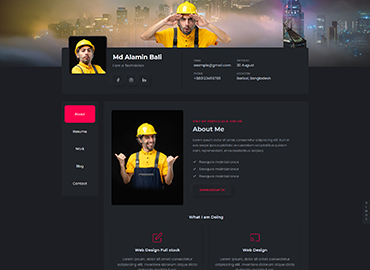


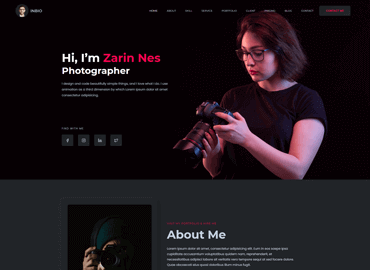
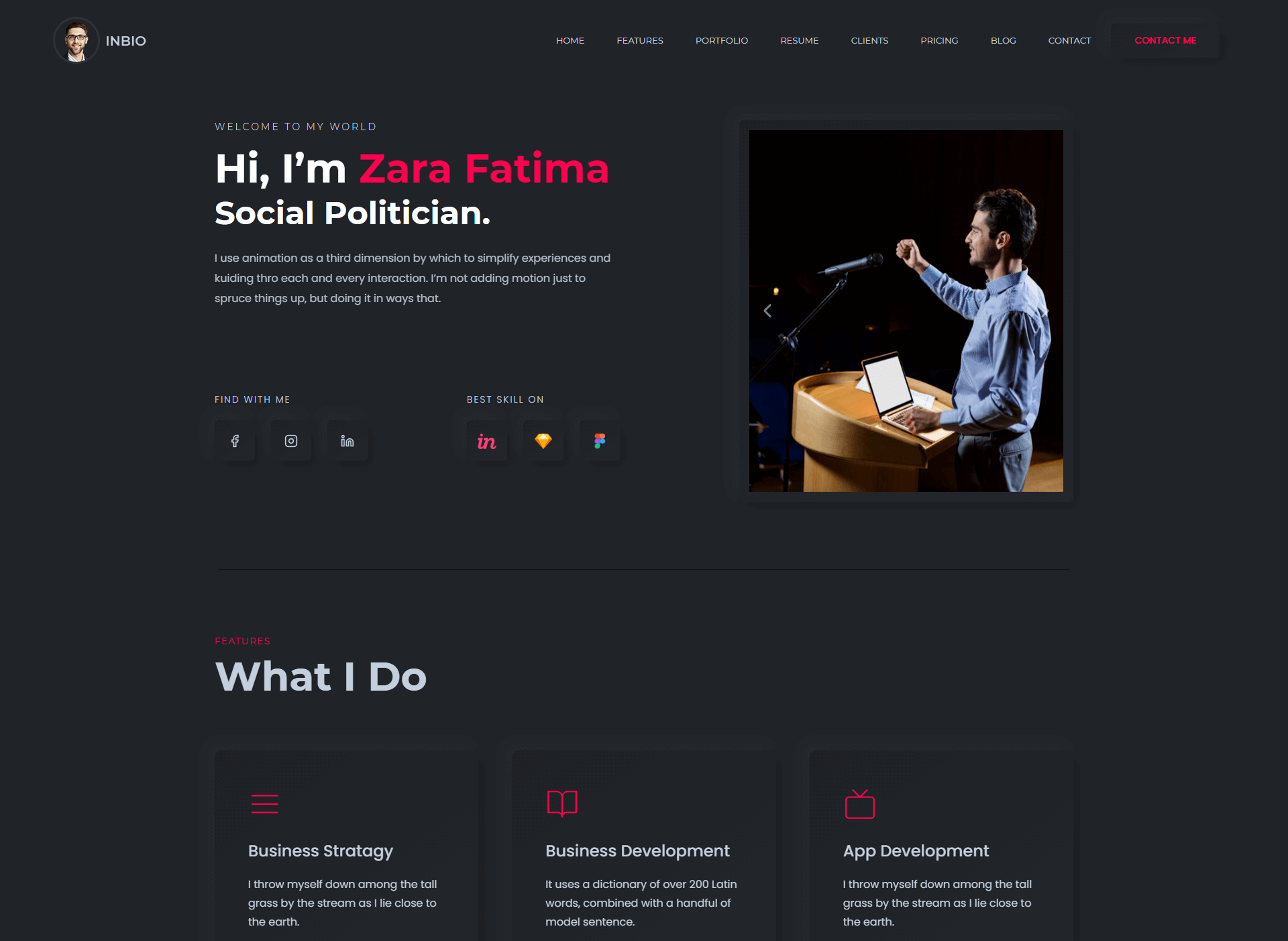


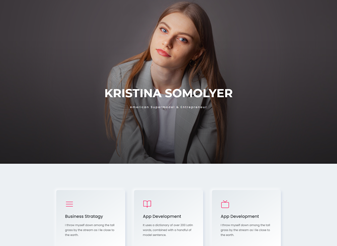
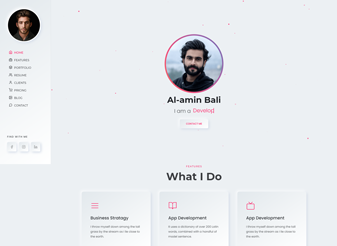


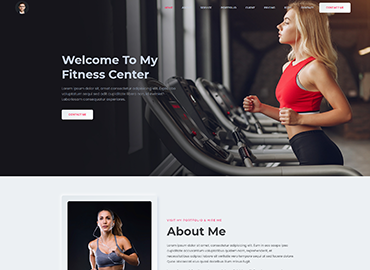


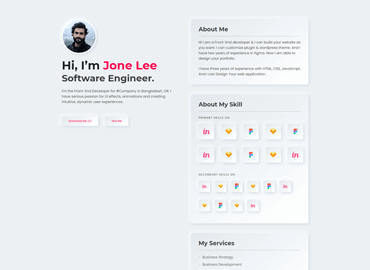

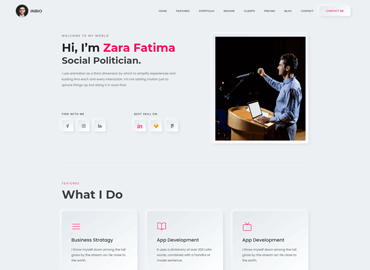




I’m Neeraj Kaushal, an enthusiastic UI/UX designer committed to producing aesthetically pleasing, highly functional, and user-friendly digital experiences. I’ve had the honor of working on a variety of projects over the years, and each one has taught me important lessons about problem-solving, design, and user behavior. I want to leverage my case studies, which tell tales of how careful design can improve user experiences, to give some insights into my design process today.
Why Case Studies Matter in UI/UX Design
Let’s examine the importance of case studies before delving into my initiatives. They function as in-depth accounts that highlight the difficulties encountered, the solutions developed, and the results attained. They serve as models for real-world problem-solving for budding designers. They show the benefits of user-centered design to clients and users.
My Approach to UI/UX Design
Empathy, or knowing what users need and want, is the foundation of my job. I use a methodical approach:
Research and Discovery: Learning about stakeholders and users.
Ideation and wireframing: coming up with original ideas and establishing the framework.
Creating interactive models and making adjustments in response to input is known as prototyping and testing.
Implementation & Launch: Working together with developers to make ideas a reality.
This iterative method guarantees an intuitive and captivating end product.
Ideation and wireframing: coming up with original ideas and establishing the framework.
Creating interactive models and making adjustments in response to input is known as prototyping and testing.
Implementation & Launch: Working together with developers to make ideas a reality.
This iterative method guarantees an intuitive and captivating end product.
Highlighted Case Studies
Redesigning an E-commerce Platform: High bounce rates and low conversion were caused by the crowded UI of the previous platform.
Solution: I improved the product images, made the checkout process easier, and streamlined the navigation. I determined the most important features and pain areas by conducting user research.
As a result, sales increased by 30% and customer happiness increased, as shown by favorable reviews and decreased cart abandonment.
Solution: I improved the product images, made the checkout process easier, and streamlined the navigation. I determined the most important features and pain areas by conducting user research.
As a result, sales increased by 30% and customer happiness increased, as shown by favorable reviews and decreased cart abandonment.
Mobile App for a Fitness Startup
Challenge: The app’s absence of engagement features resulted in low user retention.
Solution: I implemented tailored exercise regimens, gamification components, and an exciting, clean UI. The design placed a strong emphasis on usability and accessibility.
As a result, user retention increased by 40%, and the app’s user-friendly design won praise.
Solution: I implemented tailored exercise regimens, gamification components, and an exciting, clean UI. The design placed a strong emphasis on usability and accessibility.
As a result, user retention increased by 40%, and the app’s user-friendly design won praise.
Corporate Website for a Tech Company
Challenge: The website had to convey complicated goods and services in an efficient manner.
Solution: To make technical topics easier to understand, I used images, interactive demonstrations, and a clear information architecture.
Increased lead generation and greater time spent on the site by visitors are the outcomes.
Solution: To make technical topics easier to understand, I used images, interactive demonstrations, and a clear information architecture.
Increased lead generation and greater time spent on the site by visitors are the outcomes.
Lessons Learned from My Projects
Users should always come first; every design choice should be based on their demands.
Test frequently and early since feedback makes the experience better.
Keep it simple: Simplicity makes sense, whereas clutter confuses.
Work closely: Alignment is ensured by collaborating with stakeholders and developers.
Test frequently and early since feedback makes the experience better.
Keep it simple: Simplicity makes sense, whereas clutter confuses.
Work closely: Alignment is ensured by collaborating with stakeholders and developers.
Final Thoughts
UI/UX design is a dynamic field that blends creativity and critical thinking. I want to show through my case studies that excellent design is about finding solutions to actual issues and producing enjoyable experiences. I hope these tales encourage you to see the value of well-considered design, whether you’re a fellow designer, a business owner, or simply interested in the field.
I appreciate you looking at my work and visiting my website https://neerajkaushal.com/. Please get in touch if you want to share your thoughts or talk about a project.